The Ultimate Guide to Cabarete, Dominican Republic
Everything you need to know before booking your trip — from a local who’s been on the ground for years. Beaches, food, safety, kiting, nightlife, and the stuff nobody else tells you.
Cabarete is one of those places that doesn’t make the typical Caribbean shortlist — and honestly, the people who live here like it that way. While tourists pile into Punta Cana resorts and never leave the wristband bubble, Cabarete has quietly become the go-to for kitesurfers, digital nomads, foodies, and travelers who want something real. It’s not polished. It’s not a theme park. It’s a scruffy, windswept beach town with world-class water sports, surprisingly good food, and a community that actually gives a damn.
This guide is the one I wish someone had handed me before my first trip. No fluff, no sponsored content — just what you actually need to know.
Where Is Cabarete?
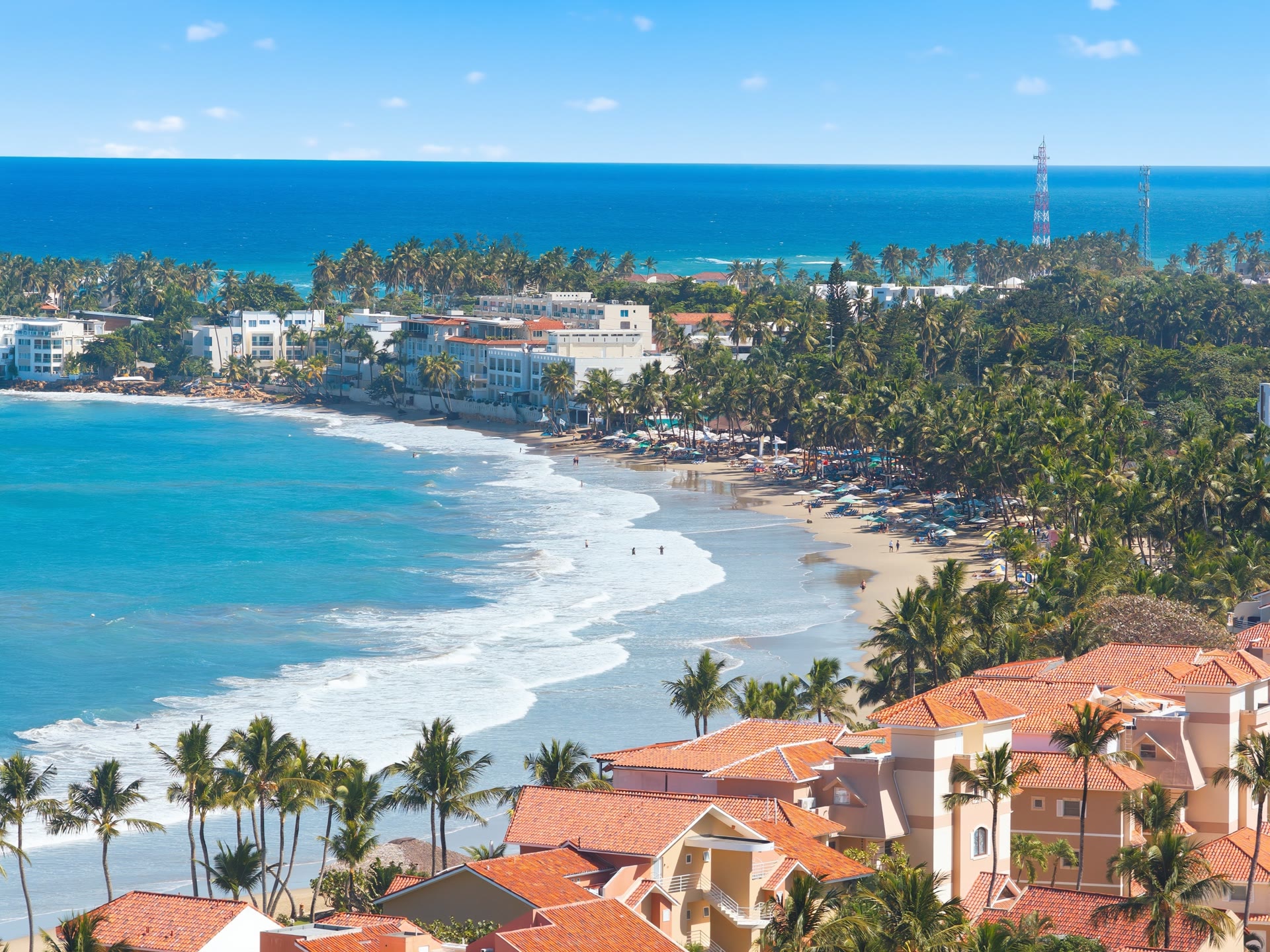
Cabarete sits on the north coast of the Dominican Republic, about 15 minutes east of the city of Puerto Plata and roughly 3.5 hours north of Santo Domingo. It’s part of what locals call the “North Coast” or “Amber Coast” — named for the amber deposits found in the surrounding mountains.
The town itself is small — you can walk from one end to the other in about 20 minutes. It stretches along a single main road (the Carretera Principal) that hugs the coast, with the beach on one side and restaurants, shops, and surf schools on the other. It’s not a city. There’s no downtown or high-rises. And that’s the whole point.
The nearest major airport is Puerto Plata (POP), about a 20-minute drive. You can also fly into Santiago (STI), which is about 90 minutes away and sometimes has cheaper flights. For the full breakdown on getting here, check our Cabarete vs Punta Cana comparison — it covers the airport logistics in detail.
The Beaches
Cabarete has three main beaches, and they each have a completely different personality. Understanding the difference will save you from showing up at the wrong one with wrong expectations.
Cabarete Beach (Main Beach)
The heart of town. This is where the restaurants, bars, and beach chairs are lined up. It’s the most “traditional” beach experience — golden sand, calm water (most of the time), vendors walking by selling coconuts and sunglasses. The west end near the lagoon is calmer; the east end picks up more wind. Perfect for swimming, paddleboarding, or just posting up with a Presidente and a book.
Kite Beach
Walk about 10 minutes west from the main beach and you hit Kite Beach — the epicenter of kiteboarding in the Western Hemisphere. On any given day, you’ll see 50+ kites in the air. The wind here is incredibly consistent thanks to the trade winds funneling along the coast. Even if you don’t kite, it’s mesmerizing to watch. There are a few beach bars and restaurants right on the sand. For the full rundown on learning to kite here, read our kiteboarding beginner’s guide.
Playa Encuentro
About a 10-minute drive west of town, Encuentro is the surf beach. Multiple reef breaks produce consistent waves for all levels. There are surf schools right on the beach, and you can rent a board for about $15-20 for a couple hours. The vibe is more chill than Kite Beach — fewer crowds, more surfer culture. If you’re into surfing at all, don’t miss it. Read more in our things to do guide.
Things to Do
Cabarete punches way above its weight for a town its size. Beyond the obvious beach time, you’ve got kiteboarding, surfing, stand-up paddleboarding, cenote swimming at El Choco National Park, horseback riding along the beach, canyoning at Damajagua (the famous 27 waterfalls), zip-lining through the jungle canopy, and some of the best scuba diving on the north coast.
I wrote a whole deep-dive on this: 27 Things to Do in Cabarete (That You Won’t Find in a Guidebook). It covers everything from the obvious must-dos to the hidden gems that only locals know about. If you’re specifically interested in kiteboarding, we’ve got a dedicated beginner’s guide for that too.
Where to Eat (and Drink)
The food scene in Cabarete is legitimately good — and surprisingly diverse for a small beach town. You can eat at a Dominican comedor for $3-5 (rice, beans, chicken, plantains — the national dish, basically), grab $5 açaí bowls at Vagamundo, splurge on fresh seafood at La Casita de Papi, or get wood-fired pizza at Pomodoro. The nightlife is low-key but fun — think beach bars with your feet in the sand, not velvet ropes and cover charges.
For the full restaurant and nightlife breakdown with specific prices, names, and weekly event calendars, check our Cabarete restaurant and nightlife guide.

When to Visit
The short answer: there’s no bad time, but each season has a different personality. December through March is peak season — perfect weather, biggest crowds, highest prices. April-May is the sweet spot for value. June-August is hot and great for surfing. September-November is quietest and cheapest, with some hurricane risk.
I broke down every single month in our month-by-month guide to visiting Cabarete. It covers weather, crowds, prices, wind conditions, and events — the full picture.
Getting There
Most visitors fly into Puerto Plata’s Gregorio Luperón Airport (POP). It’s a small, no-fuss airport about 20 minutes from Cabarete. JetBlue, United, Southwest, and Spirit all have direct flights from various US cities. From the airport, you can arrange a private transfer ($35-50 one way) or grab a taxi. We can help arrange transfers for our guests.
Santiago (STI) is the alternative — about 90 minutes away but often has cheaper flights and more options. It’s a bigger airport with more carriers. The drive to Cabarete goes through the mountains and is actually beautiful.
Some people fly into Santo Domingo (SDQ) and make the 3.5-hour drive, especially if they’re combining with a Santo Domingo visit. I wouldn’t recommend it just for Cabarete unless the fare savings are dramatic. For a detailed comparison with Punta Cana routing, see our Cabarete vs Punta Cana guide.
Is Cabarete Safe?
This is the question I get asked the most, and the honest answer is: yes, Cabarete is safe — with the same common-sense precautions you’d take in any tourist town. It’s a small, walkable community where locals and expats mix freely. Violent crime targeting tourists is extremely rare. Petty theft (phone on the beach, unlocked scooter) is the main concern, and it’s avoidable.
I wrote a comprehensive, honest breakdown in our Is Cabarete Safe? guide — covering solo female travel, walking at night, health, and practical tips. If safety is on your mind, give it a read before you dismiss Cabarete from your list.
Where to Stay
Look — I’m biased here, but I genuinely believe a private villa is the best way to experience Cabarete. Hotels in town are mostly small boutique spots (nothing wrong with that), and there are some all-inclusives nearby (if that’s your thing — but then why come to Cabarete?). For groups, families, or anyone who wants their own space, a villa is the move.
Our villas are at The Residences at Millennium Resort — a gated, 24/7 security community right on the beach between Kite Beach and main Cabarete beach. You get the best of both worlds: resort amenities (pools, restaurant, beach club, Laurel Eastman kite school on-site) with the privacy of your own house.
Villa Azura is our modern 3-bedroom with a private pool, ocean views, and a rooftop terrace that’s basically designed for sunset cocktails. Villa Solara is also 3 bedrooms with its own pool, plus it’s fully solar-powered — so you get uninterrupted power even when the grid hiccups (which happens occasionally, let’s be honest).
Both villas sleep 6-8 comfortably. Perfect for group trips, remote work stints, or just a family vacation where the kids have a pool and the adults have peace.

The Vibe (What Makes Cabarete Different)
Here’s what sets Cabarete apart from every other Caribbean destination I’ve been to: it’s not trying to be anything it’s not. There’s no fake “island paradise” marketing. The roads have potholes. The power goes out sometimes. A rooster will wake you up at 5am. But the sunset will make you forget all of it.
The community is a genuine mix — Dominican locals, French-Canadian expats, German kiteboarders, American retirees, Brazilian surfers, digital nomads from everywhere. Everyone ends up at the same beach bars. The town is small enough that after a week, people know your name. After two weeks, you’re making plans to come back.
It’s not for everyone. If you want all-inclusive perfection, go to Punta Cana ( we broke down the comparison). But if you want adventure, character, and the feeling that you actually went somewhere — Cabarete is your place.
Ready to Experience Cabarete?
Two private luxury villas with pools, beach access, and full resort amenities at The Residences at Millennium. Book direct for the best rate.
Explore Our VillasBook Direct & Save
Stay Where It All Happens
Private luxury villas in Cabarete — steps from the beach, with your own pool and concierge service.